Airline passengers traveling without a Real ID or verified passport will have to pay a $45 fee starting on Feb. 1, the Transportation Security Administration announced on Monday.
“Identity verification is essential to traveler safety, because it keeps terrorists, criminals, and illegal aliens out of the skies and other domestic transportation systems such as rail,” Adam Stahl, a senior TSA official, said in a statement announcing the policy.
The new rules mark the next step in the TSA’s effort to encourage travelers to meet its higher standards for identity verification, which went into effect earlier this year after nearly two decades of delays.
Late last month, the TSA published a proposed rule that would require anyone using an alternative ID to pay $18 in order to cover the “government-incurred costs” of enhanced screening that’s needed in those cases.
“The current alternative identity verification process is time and resource intensive, limiting the number of individuals for whom TSA can provide the service,” the agency wrote in a notice to the Federal Register last month.
Officials reportedly decided to raise the price to $45 because the expected costs of the additional screenings turned out to be higher than originally anticipated. Anyone traveling without an accepted ID — which also includes a valid passport, tribal ID and certain other government-issued identification — will also need to register through an online portal called TSA Confirm.ID.
Congress passed the Real ID Act in 2005 to create new federal standards for state-issued driver’s licenses and other ID in response to the Sept. 11 attacks four years earlier. The law initially called for the new rules to be enforced in 2008, but that deadline was pushed back repeatedly. Real ID requirements finally went into effect in May, almost exactly 20 years after the law was passed.
Currently, there is no punishment for those traveling without a Real ID, other than the potential delays they might face to allow time for extra security screening.
The new policy will only affect a small minority of air travelers, according to the TSA. Currently, 94% of passengers already use a Real ID or other acceptable form of identification, the agency said.
“We must ensure everyone who flies is who they say they are,” Stahl said. “This fee ensures the cost to cover verification of an insufficient ID will come from the traveler, not the taxpayer.”
All U.S. states and territories currently issue Real-ID-compliant driver’s licenses, but IDs that are more than a few years old may not meet the new federal standards. The TSA encourages anyone who’s not sure whether their license is acceptable under the updated rules to contact their state’s Department of Motor Vehicles.
LATEST POSTS
- 1
 Study shows no clear link between low-fat dairy and dementia risk
 - 2Why is the Artemis 2 rocket launch different from all other rocket launches?
- 3Turning to turkey’s tryptophan to boost mood? Not so fast
- 4Artemis II astronauts channel Apollo 8 with a striking Earthset photo
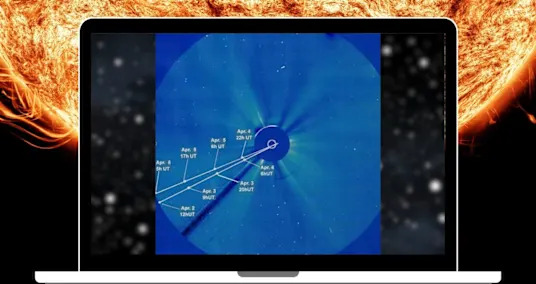
- 5Watch comet C/2026 A1 plunge toward the sun online this week



- 4K televisions for Extreme Film Watching Experience
- Former elite Australian soldier charged with Afghan war crimes
- Miss Thailand Pageant Contestant's Veneers Fall Out During Speech on Stage
- Coffee Prices Finish Higher on Brazil Cop Concerns
- Qantas and Virgin Australia Ban Power Bank Usage on Flights Following Safety Incidents
- 7 Fun Plans to Make Film Evenings Seriously Energizing (You'll Cherish #5!)
- Top 10 Arising Advances That Will Shape What's in store
- Remote Headphones: Improve Your Sound Insight
- What you need to know about Trump accounts as Michael and Susan Dell donate $6 billion to the new early childhood investment program